
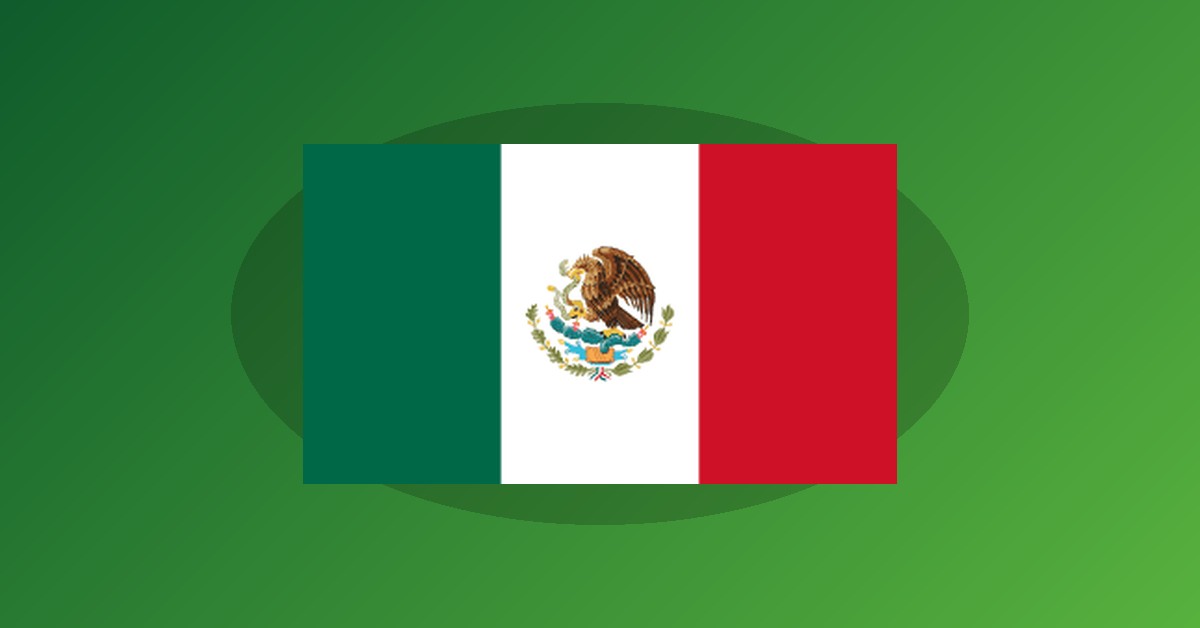
Mexico officially wrote its name into the World Cup history books in 2026, becoming the first country ever to host the men’s tournament for a third time. This isn’t just another tournament; it’s a massive, unprecedented flex for a nation that clearly knows how to throw a global soccer party, solidifying their place at the top of the World Cup host leaderboard.
Mexico Stands Alone, While Others Join the Double-Dip Club
Think about that for a second: three times. Mexico previously welcomed the world in 1970 and 1986, and now again in 2026. Their Estadio Azteca isn’t far behind, either, making history itself as the first stadium to feature in three separate World Cups. Talk about a legendary venue! While Mexico is out there making a hat trick, a bunch of other soccer powerhouses are firmly in the two-time host club. We’re talking Italy (1934, 1990), France (1938, 1998), Brazil (1950, 2014), and Germany (1974 as West Germany, 2006). Our own neighbors, the United States, joined that exclusive list courtesy of their role in the 2026 tournament, adding to their solo hosting gig in 1994. Spain is set to make it two in 2030, which will be awesome to see.
Co-Hosting Just Keeps Getting Bigger
The game has definitely changed for how these massive tournaments get hosted. Remember when one country did it all? That’s old news. Co-hosting started in 2002 with South Korea and Japan sharing duties. Then came the 2026 edition, blowing it up even more with three nations: Canada, Mexico, and the United States. But wait, it gets wilder. The 2030 tournament is taking things to an entirely new level, with Morocco, Portugal, and Spain as the main hosts. And to celebrate 100 years of the World Cup, they’re even adding one match each in Uruguay, Argentina, and Paraguay! That’s a truly global party right there.
So, 18 different countries have either hosted or been awarded the World Cup across its history. It all kicked off in 1930, and except for those two editions lost to World War II in 1942 and 1946, the tournament has been rocking every four years since 1950. The beautiful game keeps pushing boundaries, both on the field and in how it brings the world together.
What’s next for the World Cup schedule? We’re already looking forward to Spain joining the two-timers in 2030, sharing duties with Portugal and Morocco and those epic centenary matches across South America, making that tournament an absolute global spectacle. Then it’s off to Saudi Arabia in 2034! The world of soccer never stops, and we’ll be here for every single historic kick.
This article was created with AI assistance and published under Seattle On Tap’s editorial standards. See our Editorial Policy.

Leave a Reply